
As we reach the close of another year, many of us feel the pressure to figure out how to end the year “strong”—which often gets interpreted as pushing harder, fixing everything, or rushing into January with an elaborate plan. But ending the year “strong” has nothing to do with force, perfection, or even productivity.
Ending the year strong is about honoring your passage through another cycle.
It’s about pausing long enough to reconnect with yourself, your values, and your humanity.
AND it’s about creating a foundation for what comes next—not from stress, but from alignment.
Whether you track time by the calendar year, your birthday, lunar cycles, seasonal cycles, or all of the above, the transition between cycles is a natural place to reset. Our brains love patterns, and when we don’t intentionally engage them, we tend to fall into socialized paths of least resistance—paths that might not align with who we are, who we want to be, or the future we want to create.
This reflective space is not a luxury. It’s essential.
In this blog, I walk through a simple, three-part process to help you wrap up the year with clarity and step into the next one anchored and empowered.
How to End the Year Strong Part 1: Center — Reconnect to Yourself and What Matters Most
Before you think about goals, strategies, or resolutions, you need to recenter with YOU.
Rest as a Ritual
Rest is not a reward or a means for productivity. It’s a necessity for self-connection.
It’s where your imagination comes back online, where you can hear your intuition again, and where you can access choice.
Ask yourself:
- What feels restorative or regenerative?
- What feels like receiving care?
- What brings me home to myself?
Rest doesn’t have to be stillness. It simply needs to care for your wholeness.
Distinguish Conditioned Values from Chosen Values
When we’re not centered, we operate from socialized “should.” Shoulds are the internalized rules about what makes us worthy, good, responsible, productive, or likable. These conditioned values activate survival responses and drain our energy.
Chosen values, however, feel expansive. They anchor decisions that align with the person you want to be.
Conditioned and chosen values may sometimes be the same except that the rules for how they motivate action may look different.
For example:
- Conditioned value: “Respect means deference to elders.”
- Chosen value: “I honor the wisdom and experience of my elders.”
The word is the same—respect—but the rules shift.
To discern your own, look through a values list and consider which ones resonate and what they mean to you. Then explore:
- What values feel heavy or guilt-driven? (conditioned)
- What values feel grounding and energizing? (chosen)
Connecting with your chosen values allows you to more intentionally honor what truly matters and support yourself around how your conditioned values influence you.
How to End the Year Strong Part 2: Celebrate — Acknowledge Your Accomplishments and Learning
With how fast everything moves these days, it can be hard to take the time to acknowledge what we’ve done in this season. This can be especially difficult, when it’s been a difficult season. But celebration isn’t just about acknowledging what went “right” but acknowledging your experience as you passed through another cycle. It focuses your attention, strengthens your self-relationship, and builds confidence in your ability to navigate life intentionally.
Celebrate What Went Well
List the things you did—big, small, messy, imperfect—that took courage, energy, consistency, or care.
Include:
- Wins (even tiny ones)
- Things you tried
- Things you learned
- Internal shifts in boundaries, healing, or self-trust
- Emotional labor and invisible work
Chances are, you did far more this year than your brain remembers.
Celebrate Learning
The efforts you made that “didn’t work” deserve recognition too. Failure can be a supportive learning opportunity when you intentional engage the learning part.
Ask yourself:
- What did I learn from what didn’t go as expected?
- What can I release?
- What do I want to carry forward?
Celebration is not about only acknowledging “happy” things or pretending everything was great. It’s about honoring your journey.
How to End the Year Strong Part 3: Create — Build a Foundation for the Future
Once you’ve grounded and celebrated, you’re ready to create intentionally.
Vision: Who Are You Becoming?
Visioning, in this sense, isn’t about the future but about choosing who you want to be and what you want to expand in your life.
To access your vision, explore the following questions:
- How do I want to experience my life?
- How do I want to show up?
- What impact do I want to have?
- What do I want to honor with my time, energy, money, and relationships?
Your vision is your compass. It helps you choose aligned actions rather than reactive ones.
Plan as an Experiment
Planning is your design process. Rather than thinking of it as a rigid structure, think of it as a template to test ideas from, determine how they work, and make adjustments accordingly.
Start with:
- Where am I now?
- Where do I want to go?
- What matters most about that?
- How does it align with my vision?
- What do I want to try?
- What support or resources do I need?
Note: If you catch yourself saying something is or isn’t “enough,” pause. “Enough” is often undefined and an undefined enough will often lead to overwhelm and burnout.
Act and Reassess
Action is where self-trust grows. This will be your next cycle.
Remember: Action only works when it’s aligned with your capacity, rather than an idealized fantasy of what your capacity “should” be.
Then you return to the check in and begin the cycle again.
Five Common Patterns That Get in the Way
As you reflect on the past year, notice where you may have gotten stuck. We often get stuck when there is friction from one or more of the following:
- Misaligned actions – You had a vision, but your choices related to someone else’s/internalized expectations, rather than being aligned with you.
- Your intention didn’t match your impact – On yourself or others.
- Internalized stories derailed you – “Shoulds,” internalized rules, old patterns, impostor syndrome.
- Misaligned resource allocation – Your time, money, and/or energy were spent in ways that are aligned with conditioned values rather than chosen values. (Note: This is different than not having sufficient resources to meet your needs, which isn’t an internal stuck issue.)
- Your steps were too big – You didn’t need more motivation. You needed smaller steps.
Nothing is wrong with you if you’ve struggled with any of these. Rather than beating yourself up, remember that these are areas for exploration and adjustment.
The Hardest and Most Important Step: Give Yourself Space
If you take nothing else from this post, I hope you take that how to end the year strong means knowing:
You deserve space.
Space to rest.
Space to feel.
Space to grieve.
Space to celebrate.
Space to not know.
Space to realign.
You are not meant to sprint from one chapter to the next without breath.
As Tricia Hersey reminds us: “You must resist anything that doesn’t center your divinity as a human being. You are worthy of care.”
This reflective practice is about healing, reconnecting, and reclaiming your authorship over your life.
You deserve the space to be fully you and support to build a life that honors your light.
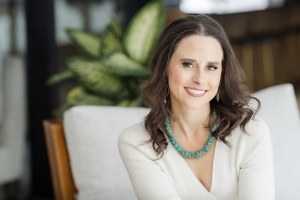
Valerie Friedlander is an ICF certified Leadership and Life Coach based in Chicago.
Read her other Women Belong posts: How to Choose a Life Coach and 7 Ways to Reduce Holiday Stress and Enjoy the Season
Learn about her coaching offerings and listen to her podcast, Mindset Unlimited, at https://www.valeriefriedlander.com
Content provided by Women Belong member Valerie Friedlander





























 Night at the Races
 Book Club: Read This When Things Fall Apart - ZOOM
 The Witch's New Year - A Samhain Reset for Women Ready to Lead Their Lives Differently
 Circle Up: Attorneys of Women Belong - ZOOM
 What If Your Body Isn’t the Problem? Rethinking Perimenopause, Hormones & Your Health