Privilege is Power
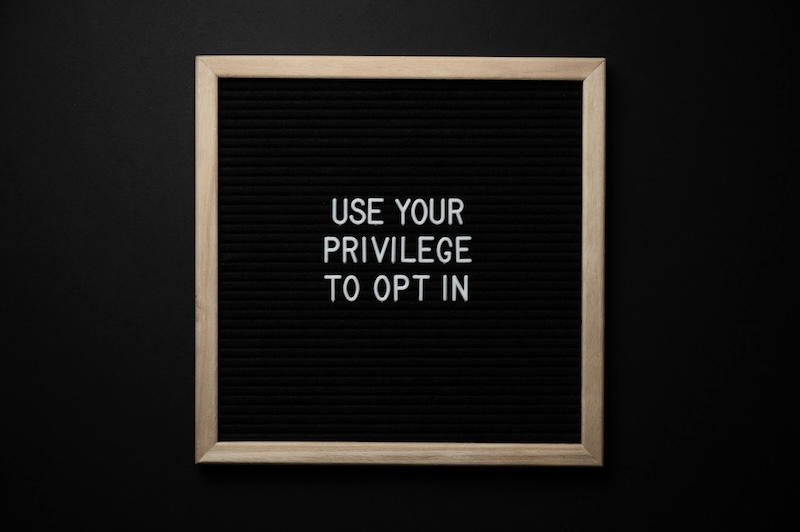
The discussion of equity is incomplete without understanding the reciprocal relationship between power, privilege, and discrimination. With power comes a sense of privilege and authority to make decisions for those who do not have power. An essential step for inspiring change is to understand one’s privilege. Reflecting on one’s privilege is the first step to understanding the benefits of the different forms of power in your life and how you can impact those who are disadvantaged. One person’s privilege can be another person’s disadvantage and vice versa.
Abuse of power can lead to discrimination and unjust treatment, and the vicious cycle continues. Leaders are in a position of power to make decisions for followers. It is very easy for a leader to be overconfident and blindsided by power. Just as a mango tree bends down when the fruit ripens for us to enjoy, power must bring humility for its true benefit.
As one of the women I interviewed, stated, “The power you have in your role greatly affects how you are seen. Power suppresses color”.
Introspection
Introspection and reflection on one’s own privilege are presented as essential first steps toward inspiring change and fostering equity. This process involves understanding the benefits of the different forms of power one holds and how that power can impact those who are disadvantaged. My book, “From Gaslighting to Truthlighting: A New Framework for Advancing Fair Opportunities for Women in the Workplace emphasizes that privilege is contextual; a person may feel privileged in one community or setting and underprivileged in another, making self-awareness critical.
For leaders, introspection is a key trait of effectiveness, as it enables them to recognize their biases and engage in self-regulation. The resources in my book offer practical tools, such as a “Privilege Self-Reflection Tool,” to facilitate this process, helping individuals assess their own advantages and disadvantages to foster deeper understanding and reduce unintentional harm. Download this tool and take a self-assessment.
Tool: Privilege Self-Reflection
A detailed tool to help you assess your privilege, identify areas of disadvantage, and recognize where you can be your most authentic self.
The exercise involves reviewing statements across nine key areas of life and marking whether you feel (P)rivileged, (U)nderprivileged, or (A)uthentic in each situation.
The categories for reflection include:
- Demographics and Identity
- Social Settings and Public Spaces
- Grocery Stores and Daily Errands
- Public Parks and Outdoor Spaces
- Work and Career
- Home and Family
- Friends and Social Circles
- Healthcare and Well-Being
- Social Determinants of Health (Community and Systems)
From Reflection to Equitable Action
Content provided by Women Belong member Falguni Shah, PhD































 Quote for Donation Event - Comparion Insurance Agency for The Colette Louise Tisdahl Foundation
 Introductions - Members Only
 Woo Woo Circus - A Playful Retreat for the Mystically Curious (Day 1 of 4)
 The Mothership
 SFG: From Chaos to Clarity: Visual Mapping for Mission-Driven Teams